


Five things to consider when buying a shed in Edinburgh
- Jan 21
- 4 min read
Updated: Jan 23
Choosing the right shed for your home or garden can transform your storage options and improve your outdoor space. However, buying a shed in Edinburgh involves more than just picking the first one you see. To make a smart investment, you need to think about several key factors that will affect how well the shed meets your needs and lasts over time. Edinburgh boasts an array of good quality shed manufacturers and builders and this guide walks you through the five most important considerations when purchasing a shed, helping you find the perfect fit for your space and lifestyle.
1. Purpose and Storage Needs
Before you start looking at sheds, clarify what you want to use it for. The purpose will influence the size, design, and features you need.
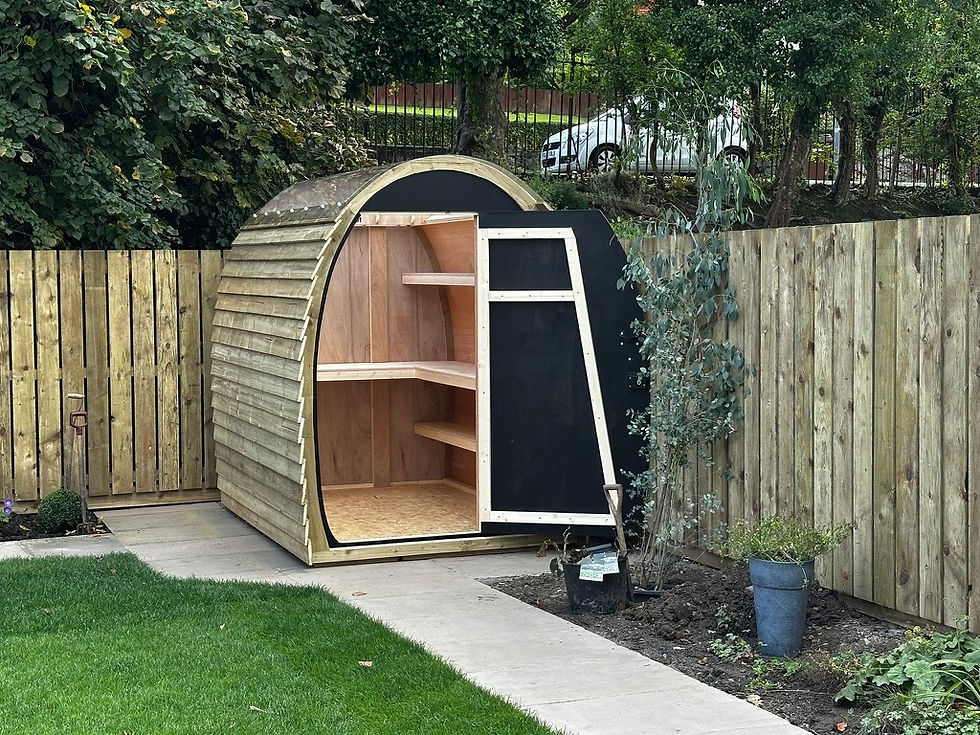
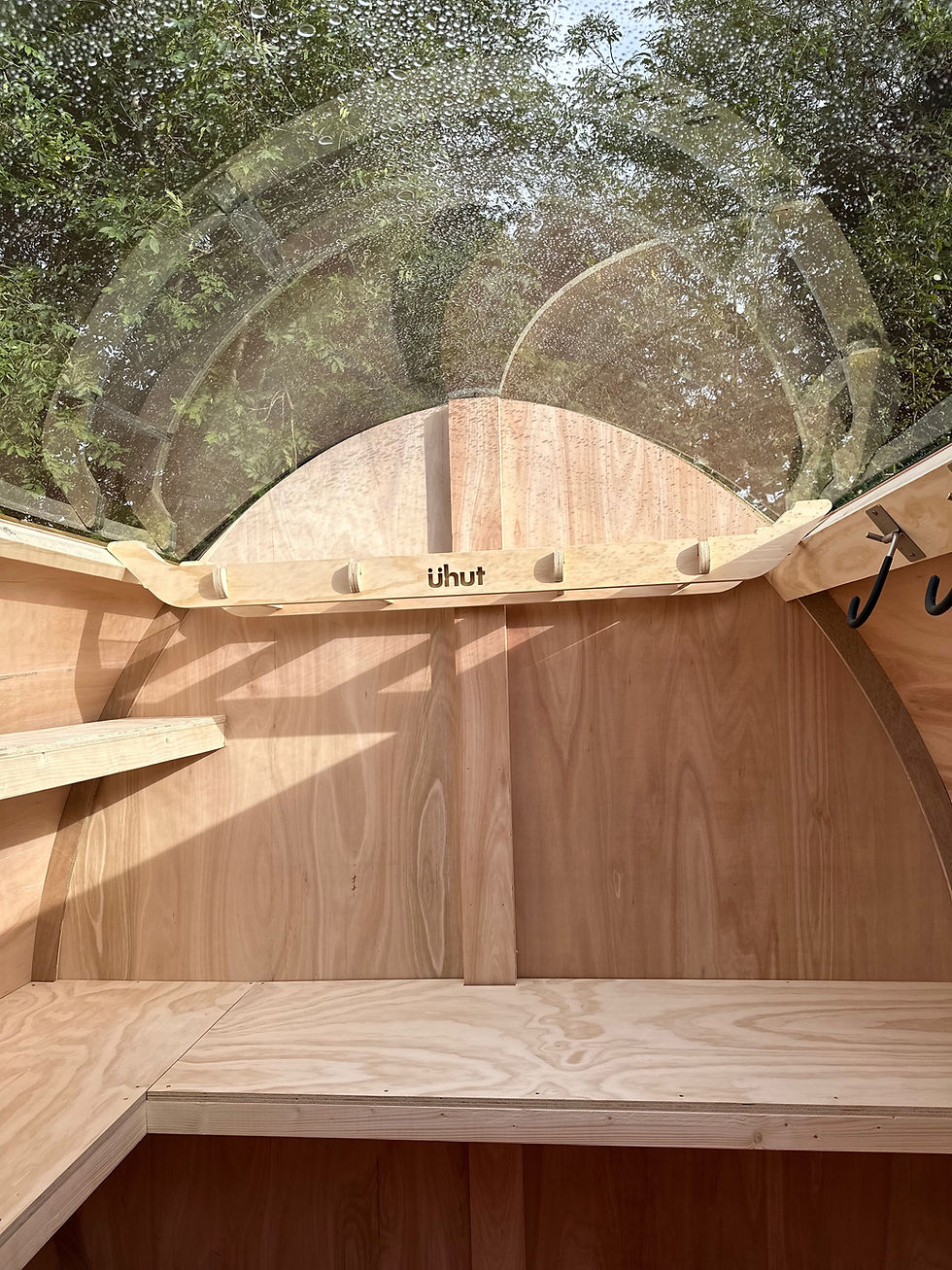
Remember, whatever you intend to use it for, an abundance of natural light will always make it a more usable and pleasant space to be in! Compared to the rest of Scotland the variety of light and cool sheds Edinburgh offers is bound to meet your needs.
Storage of tools and equipment: If you plan to store garden tools, lawnmowers, or bicycles, you need enough space and easy access. Consider shelves or hooks to organize smaller items.
Workshop or hobby space: If you want a shed for woodworking, crafting, or other hobbies, you will need good lighting, ventilation, and possibly electrical outlets.
Seasonal storage: For storing seasonal items like holiday decorations or patio furniture, a smaller, weatherproof shed might be enough.
Animal shelter or playhouse: Some sheds can be adapted for pets or children’s play areas, which requires safe materials and proper insulation.

Overhead storage for a roofbox
Think about the volume and type of items you want to store. For example, a standard lawnmower needs about 20 square feet of space, but if you have multiple large tools, you may need a shed of 100 square feet or more. In a ühut, you have the added benefite of being able to store items overhead if you don't mind sacrificing a little natural light.
2. Size and Space Availability
The size of the shed must fit your available outdoor space and comply with Edinburgh's planning regulations. In conservation areas or with listed properties and flats you need to be aware of the planning rules and here's a guide the council publishes to help.

Measure your space: Check the exact dimensions of the area where you want to place the shed. Leave room for access around it.
Check local rules: In Edinburgh there are planning rules about how large a shed can be and where it can be placed on your property. Some require permits for sheds over a certain size. This is a link to specific council guidance on requirements for Edinburgh sheds.
Consider future needs: If you expect your storage needs to grow, choose a slightly larger shed to avoid upgrading soon.
Door and roof height: Make sure the door is wide and tall enough for your largest items. Also, check the roof height if you plan to store tall equipment.
A shed that is too large can overwhelm your garden and may require more maintenance. On the other hand, a shed that is too small will limit your storage and cause clutter.
3. Material and Durability
Sheds come in various materials, each with pros and cons related to durability, maintenance, and appearance.
Wood: Offers a natural look and good insulation. Wood sheds can be painted or stained to match your home. They require regular maintenance to prevent rot, insects, and weather damage. However, choosing a pressure treated shed whose sides don't touch the ground can considerably reduce this issue.
Metal: Usually made from steel or aluminum, metal sheds are strong, fire-resistant, and low maintenance. They can be prone to rust if not properly coated and may not insulate well. 'Value' versions can however be prone to bending and wind damage and are notoriously insecure.
Plastic or resin: These sheds are lightweight, easy to assemble, and resistant to rot and insects. They often come with built-in ventilation and require little upkeep. However, they may not be as sturdy in extreme weather and over time the plastic can discolour in natural light.
Composite materials: Some sheds combine wood fibers and plastic for durability and low maintenance.
4. Security Features

A shed often stores valuable tools and equipment, so security is a key factor.
Locking mechanisms: Look for sheds with strong internal locks. These make your shed more challenging to break into as the lock itself is inaccessible. Some models come with reinforced doors and hinges. If possible look for internal hinges. Internal hinges are more secure as they can't be prized off from the outside.
Material strength: Metal sheds generally offer better protection against break-ins than plastic ones. Wood sheds can be secure if built solidly.
Windows and ventilation: Windows add light but can be a weak point for security. Choose sheds with lockable or small windows.
Anchoring options: Secure your shed to the ground to prevent theft or damage from strong winds.
For example, a shed with a hasp and staple lock combined with a heavy-duty padlock provides better security than a simple latch.
5. Budget and Installation
Finally, your budget will shape your options, but it’s important to balance cost with quality and features.
Price range: Sheds can range from a few hundred pounds for small plastic models to several thousand for large, custom-built wooden sheds.
DIY vs. professional installation: Some sheds come as kits that you can assemble yourself, saving money. Others require professional installation, which adds to the cost but ensures proper setup.
Long-term costs: Factor in maintenance, repairs, and potential upgrades like shelving or electrical wiring.
Warranty and customer support: Check if the manufacturer offers a warranty and good customer service.
Choosing the cheapest option may lead to higher costs later if the shed wears out quickly or does not meet your needs.
Comments